
December 30, 2025
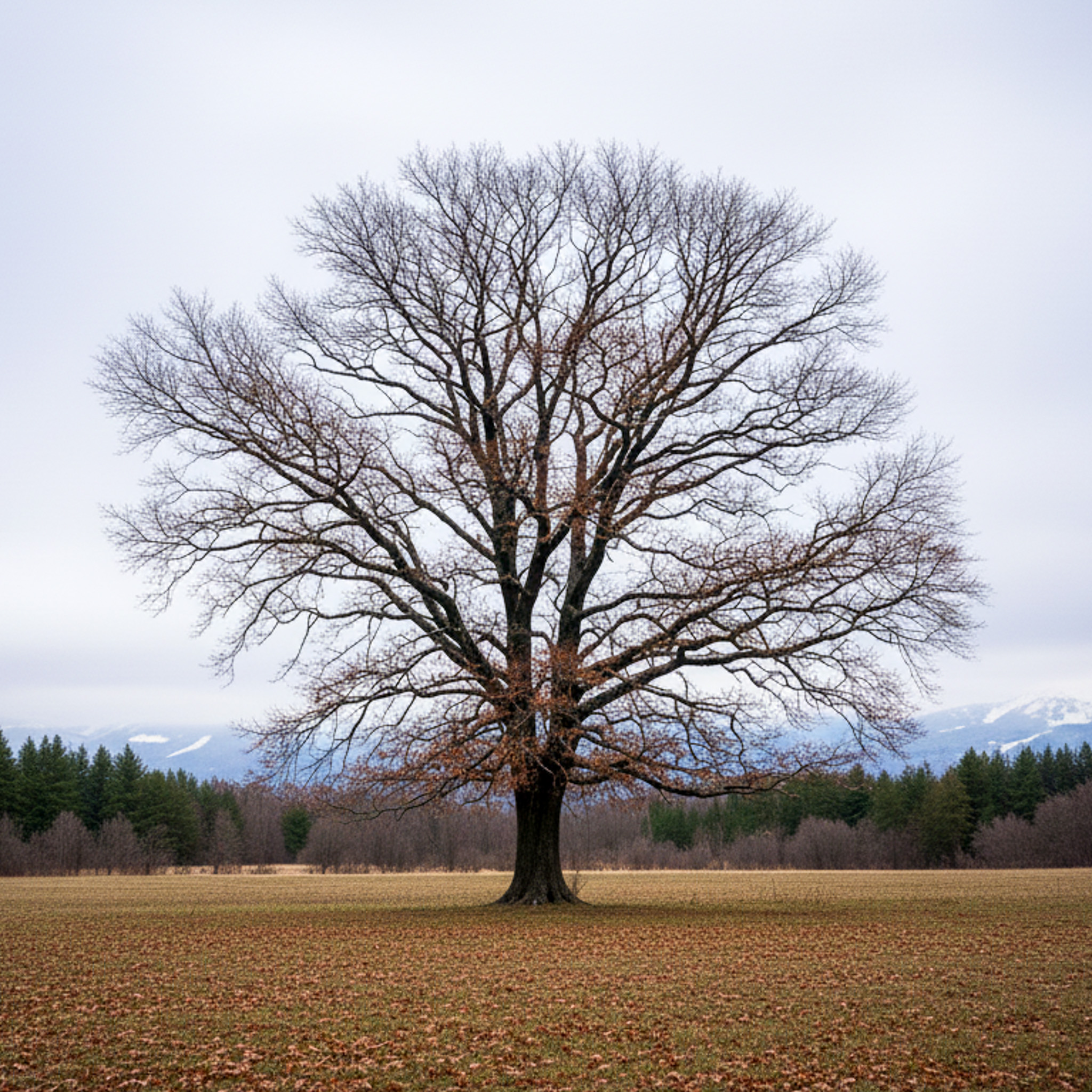
When our focus is occupied by holiday prep and cheer, one's landscape tends to be a quiet place. However, it may actually be a good time to break up the relative calm and remove the tree that’s on your to-do list. If you’ve been considering when the timing is right, here’s why winter may be the right time to make that call.
In the Southeast, winters tend to be more dry and less ground moisture means less impact to your landscape. Although we have machines that disperse the weight over large tracks, some impact is to be expected in the form of imprints and soil compaction. On occasions where impact occurs, the months leading up to springtime can be restorative to your landscape.
Additionally, removing a tree in the heat of the summer can be stressful to understory trees and plants that have become accustomed to shade. Winter removals, on the other hand, lessen the impact and the gradual transition from spring to the summer months can improve the chances that the plants and trees adapt to the newfound sun.
Tree removals in winter can also give you time to plan ahead for spring. Once the tree has been removed, one's vision for their landscape becomes more clear and redesigning the space can be less difficult. It can also give you time to prepare the site before the plants and trees are purchased to avoid the early-season landscaping rush.
In summary, if a removal can wait, consider these steps we’ve highlighted above. However, if contemplating as to when you should remove your tree, please call us today to set up an appointment with one of our skilled and friendly Certified Arborists. They can help you narrow down that timeframe and field other tree care questions you may have. As always, life is better with trees and trees are better with us!
