
March 26, 2026
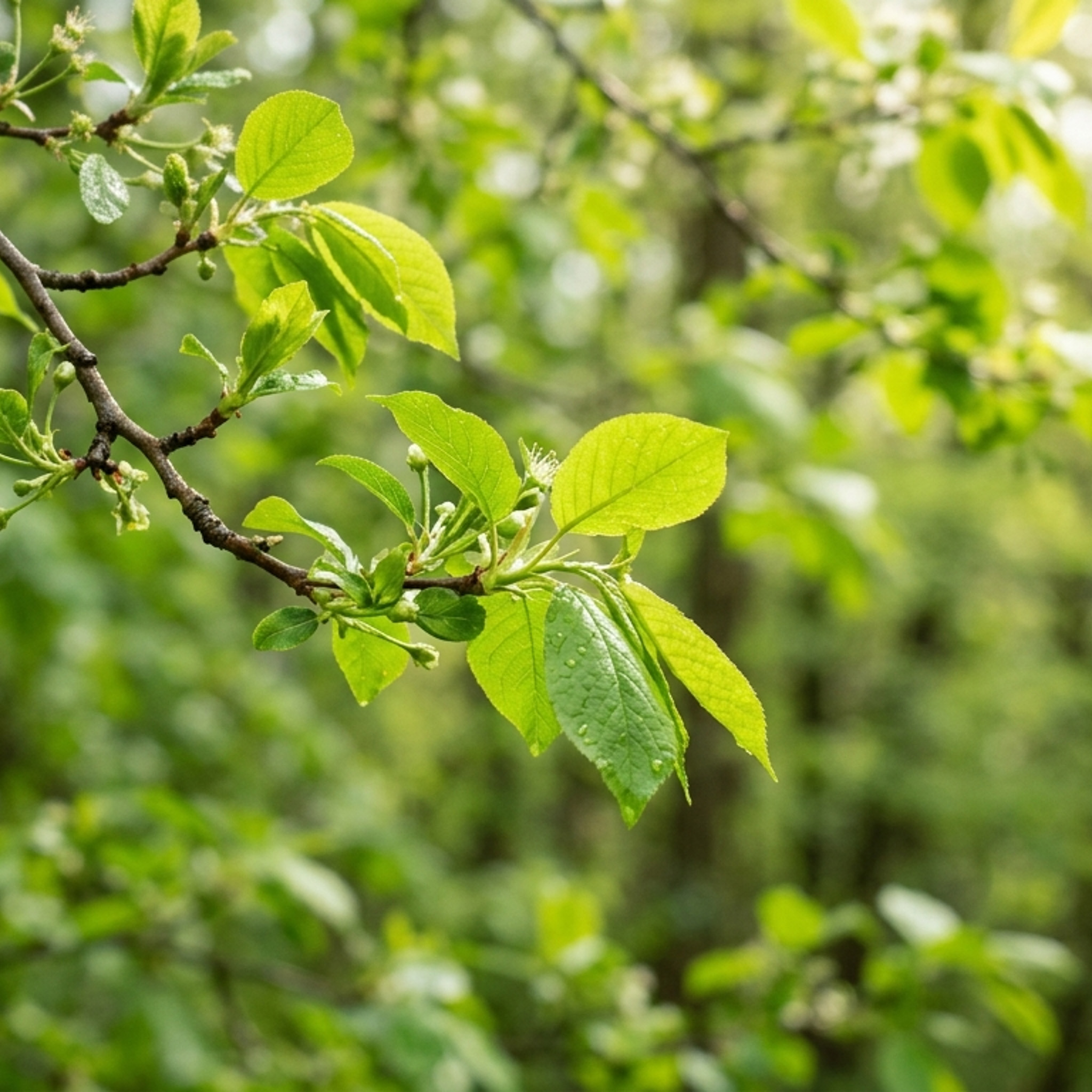
As temperatures rise across the Southeast, plants aren’t the only things coming back to life. Pests are emerging from dormancy and actively seeking food sources, often targeting the trees and shrubs you’ve invested in.
Early spring is one of the most critical times to protect your landscape, and proactive plant healthcare can make all the difference.
Common Spring Insect Pests in the Southeast
Azalea Lace Bug
These pests feed on the underside of azalea leaves, causing a stippled or bleached appearance. Left untreated, they can significantly weaken your plants.
Crape Myrtle Scale (Soft Scale)
Crape myrtle bark scale appears as white or gray encrustations on bark and branches. They excrete honeydew, leading to unsightly black sooty mold and reduced tree vigor.
Hackberry Aphids
Hackberry trees are particularly susceptible to aphid infestations, which produce sticky residue that can coat leaves, patios, and vehicles.
Crape Myrtle Aphids
These aphids feed on new growth, causing leaf curling and honeydew buildup, often attracting ants and promoting mold growth.
Ambrosia Beetles
One of the most destructive early-season pests, ambrosia beetles bore into stressed trees and introduce fungal pathogens that can quickly lead to decline or death.
Why Timing Matters
Many of these insects become active before damage is noticeable. By the time symptoms appear, infestations are often well established.
Protect Your Landscape This Season
Don’t wait until damage is visible. Our plant healthcare specialists monitor pest activity and apply treatments at the optimal time to protect your trees and shrubs. Contact New Urban Forestry today to schedule an appointment!
