
March 31, 2026
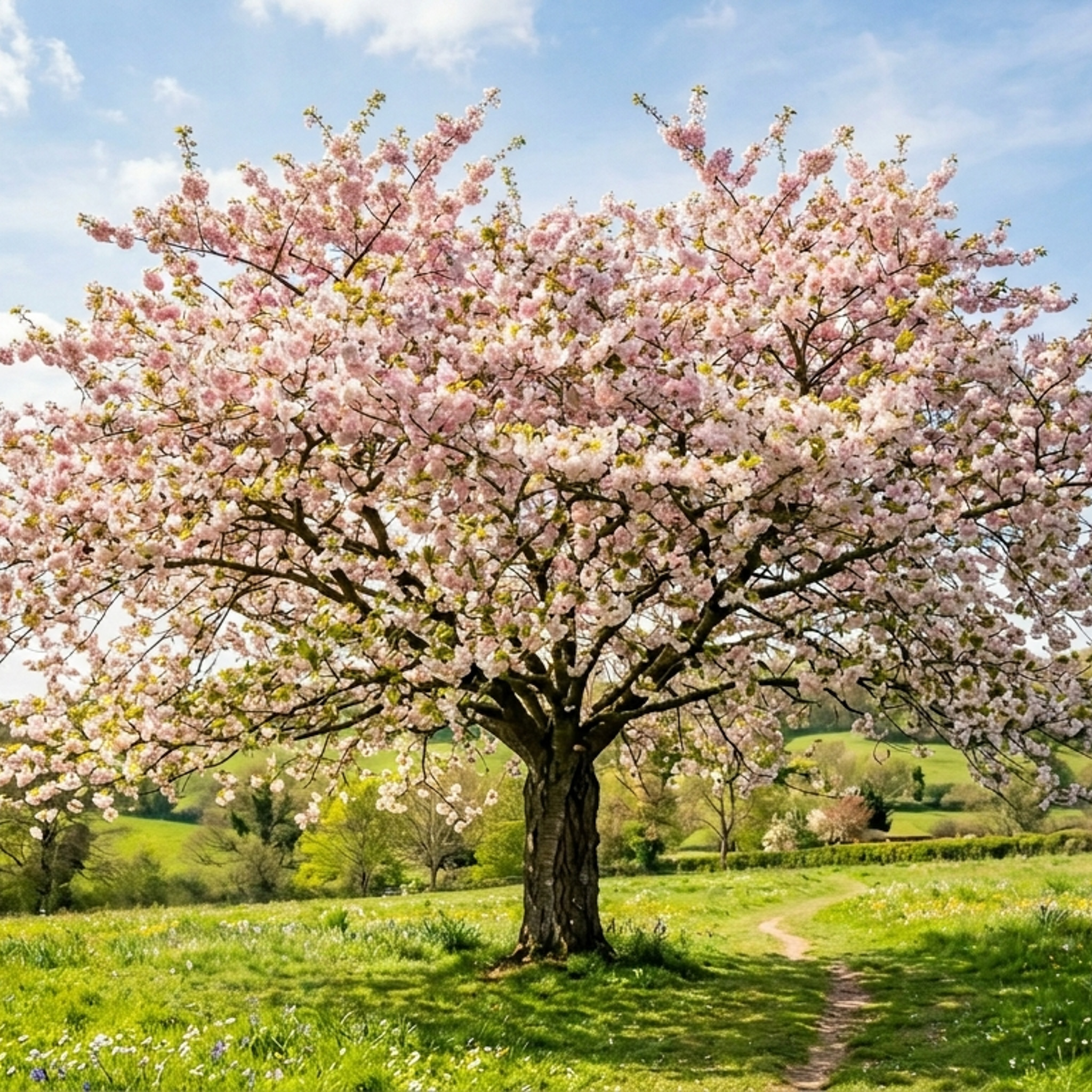
Young trees are resilient, but they’re also more vulnerable than those which are established. Sudden warm days followed by freezing nights, late cold snaps, or unexpected heat can induce stress on developing trees and affect their long-term health. Protecting young trees from temperature swings is an important part of establishing vigorous trees.
At New Urban Forestry, we believe proactive care helps to improve trees’ health and allows clients to feel more secure through changing seasons. Understanding how temperature changes affect young trees promotes thoughtful planning and better outcomes over time.
Unlike mature trees with extensive root systems and thicker bark, young trees are still developing systems that help regulate temperature and retain moisture. Their roots are fragile, and their bark is thinner, making them more susceptible to sudden environmental changes. Rapid temperature swings can cause bark damage or splitting during freeze-thaw cycles, and an increased vulnerability to pests and disease
Temperature swings are especially common in late winter and early spring. Warm spells can encourage early growth, while sudden cold snaps may damage tender tissues before trees are better equipped to handle the effects of a dramatic temperature change
These conditions can be difficult for young trees as they attempt to balance growth with survival. Supporting them during this transition helps reduce stress and encourages healthier development as the growing season begins.
Root protection is one of the most important ways to help young trees manage temperature changes. Soil and mulch within the root zone acts as insulation. Maintaining proper soil and mulch coverage helps stabilize soil temperatures.
Temperature swings often affect soil moisture. Warm days can dry soil quickly, while freezing conditions can limit water availability. Young trees rely on consistent moisture to establish roots and recover from stress. Monitoring moisture levels and ensuring trees are not overly dry or saturated supports root health. Balanced moisture helps young trees adapt more easily to changing conditions.
Regular observation is a simple but powerful tool. Signs of temperature stress may include slowed growth, discoloration of the leaves when they emerge, and cracks in bark following freeze-thaw cycles. Not all stress requires immediate intervention, but early identification allows for professional evaluation on the part of a Certified Arborist at New Urban Forestry. Protecting young trees from temperature swings isn’t just about reacting - it’s about planning. Seasonal assessments, especially before spring growth, help identify vulnerabilities and establish priorities for care.
We recognize that temperature swings are part of nature, but young trees don’t have to face them alone. At New Urban Forestry, our goal is to bolster young trees' health and immunity which in turn improves their resilience to the stressors that sudden temperature changes present.
We understand that young trees often represent an investment in the future - whether for shade, beauty, or environmental benefits. Thoughtful care, regular monitoring, and proactive planning make a meaningful difference during these critical early years.
If you’re caring for young trees and you need guidance through seasonal changes, New Urban Forestry is here to help support both trees and the people who depend on them. As always, Athens is better with trees and trees are better with NUF.
