
May 19, 2026
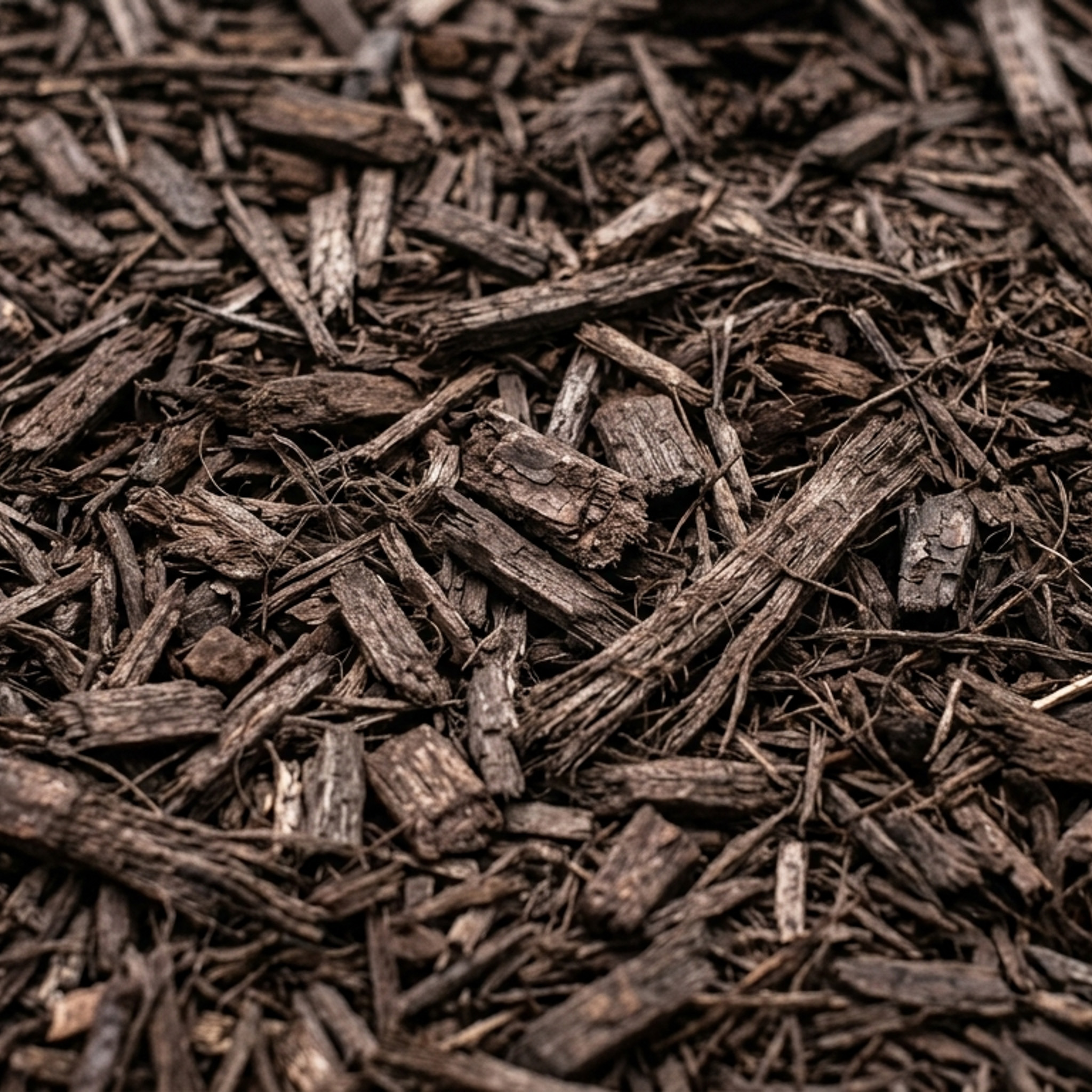
Mulch is one of the simplest and most effective ways to support the health of your trees and landscape. While it may seem like mulch is purely aesthetic, mulch plays an important role in protecting soil, conserving moisture, and helping plants thrive - especially in the sometimes harsh Southeastern climate.
At New Urban Forestry, we often remind homeowners that mulch isn’t just about appearance. When applied correctly, it creates a healthier, more resilient environment for your trees and plants.
What Mulch Actually Does
Mulch provides a protective layer over the soil. This layer helps regulate temperature, retain moisture, and reduce competition from weeds.
During the warmer months, mulch keeps soil cooler and helps prevent it from drying out too quickly. In cooler seasons, it provides insulation, protecting roots from temperature swings.
Mulch also slows down evaporation, which means your trees and plants have more consistent access to the moisture they need.
Supporting Tree and Plant Health
Healthy soil is the foundation of a healthy landscape. Through decomposition, mulch helps to improve soil conditions over time by adding organic matter back into the ground.
This process supports beneficial microorganisms, improves soil structure, and enhances nutrient availability. For trees, this is especially important, as their root systems rely on stable, well-conditioned soil to grow and function properly.
Weed Suppression and Maintenance Benefits
Another benefit of mulch is weed control. By limiting sun exposure to the soil, mulch helps to limit weeds from germinating and spreading.
This not only keeps your landscape looking clean and great, but also reduces competition for water and nutrients - allowing your trees and plants to perform at their best. With fewer weeds to manage, ongoing maintenance becomes more manageable as well.
Proper Mulch Installation Matters
While mulch offers many benefits, it’s important that it is installed correctly. One of the most common mistakes we see is over-mulching, often referred to as “mulch volcanoes.” Piling mulch too high around the base of a tree can trap moisture against the trunk, leading to decay, pest issues, and long-term damage.
Instead, mulch should be applied in a wide, even layer, typically 2 to 4 inches deep, while keeping the base of the tree trunk exposed. By doing so, this allows roots to benefit from moisture retention and temperature regulation without creating unnecessary risk to health.
Choosing the Right Mulch
Organic mulches, such as hardwood or pine bark, are commonly used because they slowly break down over time and enrich the soil. The right choice often depends on your landscape goals, soil conditions, and overall design.
A Simple Step with Long-Term Impact
Mulch installation is a small investment that delivers long-term results. From improving soil health to supporting plant growth and reducing maintenance, it’s one of the most effective ways to care for your landscape.
If you’re looking to improve the health and appearance of your landscape, mulch is a great place to start. At New Urban Forestry, we can help you choose the type of mulch that will be the most beneficial to your trees and also ensure that it is installed correctly. Call us today to set up an appointment with one of our knowledgeable and friendly arborists, we’d love to hear from you. As always, Athens is better with trees and trees are better with NUF.
